
There are basically two types of faucets for outdoor use. The ones you typically see on the side of your house that come out from the wall and extend deep into a wall of the house, allowing it to be well insulated and warm past the plunger that is opened and closed 8-14 inches past the faucet inside the wall. These are designed to allow the water in the pipe to drain down after the plunger is closed and drip the remaining water out of the pipe that is exposed to the elements. The proper classification for a faucet that comes off the exterior wall of a structure is a “Frost-free sillcock”. This type of frost free needs to be free of hoses and fixtures for the winter to allow the pipe to fully drain clear of water and some people like to put insulating caps over the fixture to prevent the pipes from freezing through the wall during deep freezes, but mostly what these insolating cups do is keep people from attaching hoses or messing with your faucets after you have declared them done for the winter. They are normally not a necessary in Oklahoma, but with our weather being particularly random and chaotic, it’s a safe bet to make this part of your winterizing process.
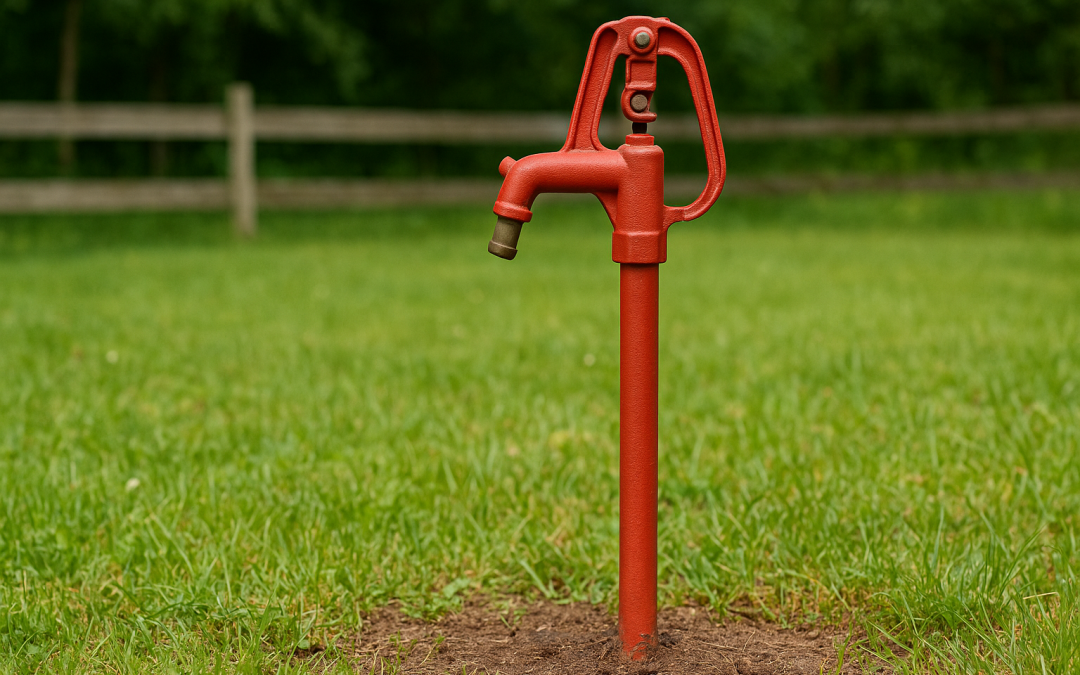
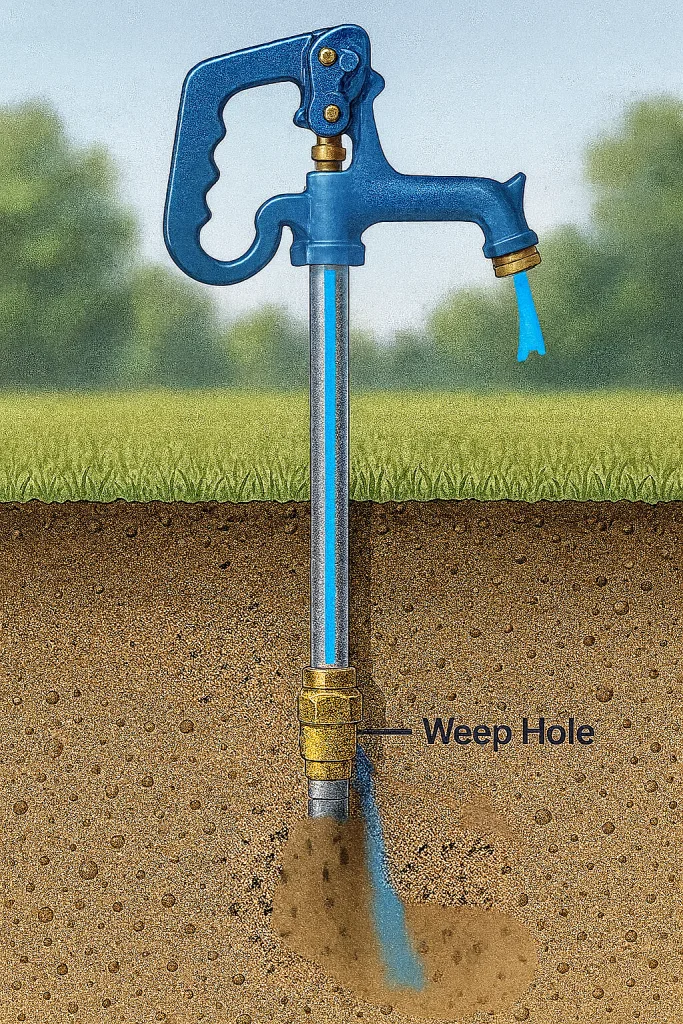
What we want to focus on in this article is the other type of frost free hydrants that are installed out in a yard, plumbed in from under ground. Often referred to as a horse head hydrant because of the signature look of hydrant head. It’s important to understand a few distinct differences about these faucets that you can typically find in your yard around the wellhead, tied into the main home water line, or specifically placed with individual water lines ran under ground. These faucets completely rely on the frostline under soil to function year round without freezing or busting pipes. To do this, they have built onto them a weep hole down at the base of the hydrant that is meant to be buried 18 inches under ground. This weep hole ensures that every time the faucet is turned off, the water above the weep hole can drain out into the surrounding soil bed. Safely emptying the pipe of water, leaving it ready for the next cold freeze.
There are a few things concerning these hydrants that home owners need to be made aware to prevent issues or waisted time and resources.
Frost Free Hydrants are not a sanitary source of drinking water
Due to the nature of how the weep hole functions, the water supply is briefly connected to the earth where it drains out. This port is closed when the hydrant is opened, but not without drawing in a small amount of dirty water. You will sometimes see the first bit of water that comes out of the hydrant will be much dirtier than the flow following. Although it cleans up quickly, it’s still a contamination point that renders these access points susceptible to a small amount of contamination that consumers need to be aware of. It’s also not a good collection point for bacteria samples.
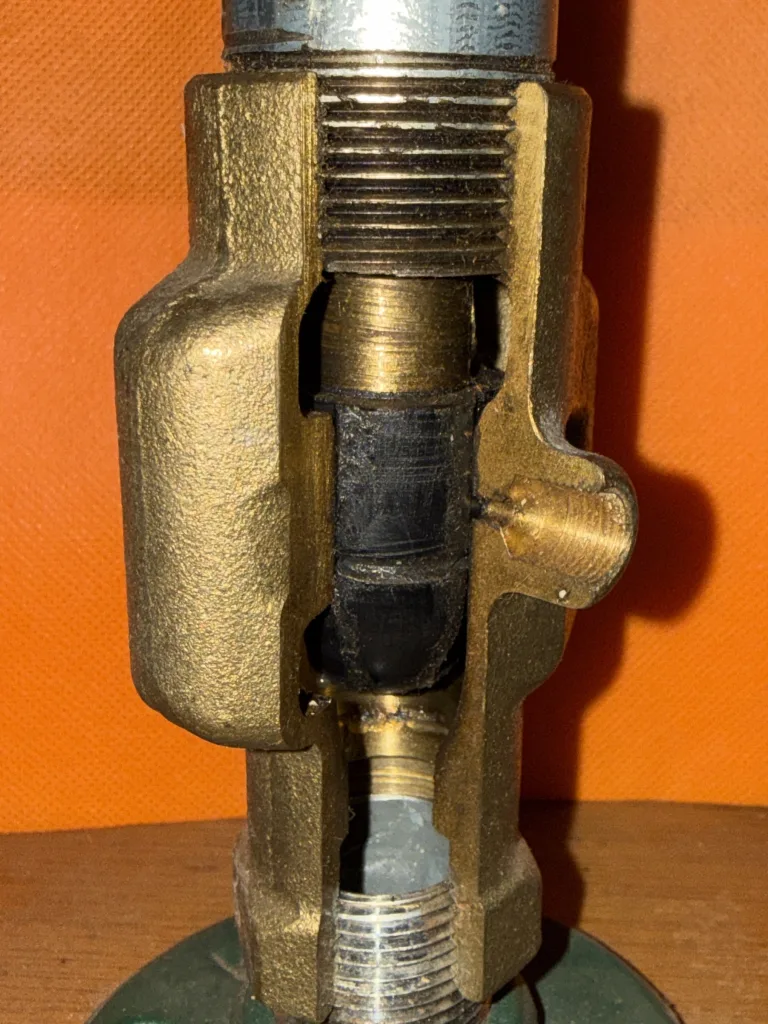
Open Position: Water flows around the plunger.
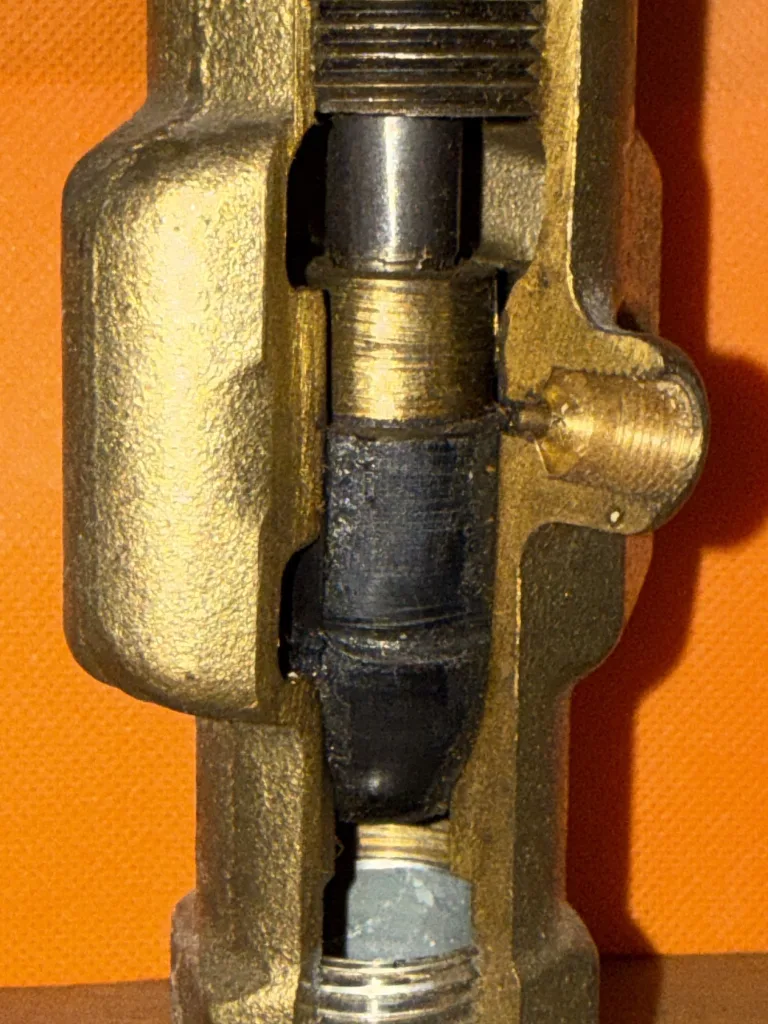
Closed Position: Water weeps over the top of the plunger.
Frost Free Hydrants need to be disconnected from hoses when not in use
When you turn off the water at the faucet head, the water in the pipe and any hoses connected will attempt to drain back into the ground through the weep hole. This means that if you leave an 80 foot hose connected, pointing up hill from the hydrant, the entire line of that hose plus what is in the frost free hydrant will need to run out through that weep hole. Leaving long hoses connected can cause this process not to work correctly. Having extra splitters with cut off valves will cause the same issue and the water won’t be able to flow back because of the vacuum created. It is best practice to completely disconnect these faucets when not in use, especially when it gets closer to winter time. And remember that leaving a hose connected and placed into a container of water, like a pool or livestock troughs, has the protentional to siphon the water from the container and drain it all back down through the weep hole.
Frost Free Hydrants drop a high volume of water
Your water well has a limitation when it comes to the “gallons per minute”, abbreviated to GPM. Each well, at the time it is drilled, is documented to recover at a specific GPM. The system is setup with this limitation in mind, but what can sometimes happen is a home owner, later down the line, will add a frost free or two in areas for convenience. The thing to keep in mind is that these hydrants can drop 18 GPM each as they can be plumbed in directly on the main line into larger pipe that carries a direct and fast flow of water. There are many water wells that work perfectly well to manage a home’s water use but can’t maintain 18 GPM for more than a few minutes. If you leave on of those hydrants open flow for a long period of time, you can damage your equipment and well. If you don’t know your well’s recover rate, it’s best to limit how much you open flow a frost free hydrant. When it comes to filling pools, ponds, or large troughs, try to limit the flow with a fixture on the end of the hose or by not fully opening the hydrant.
In closing, a frost free hydrant is a valuable part of a water system and doesn’t need to be insulated or protected from the elements. But due to how they work, it’s important to remember how they weep and drain. If you leave a hose connected, don’t be surprised if you have a large puddle forming under your frost free as all that hose water drains back to the weep hole. And never use multiple faucets to fill a pool more quickly, or you might be causing far worse problems for yourself.
If you have a frost free that isn’t working right or want to see about adding on to your property, give Ace Water Well Service a call and let us make sure you are taken care of right.