
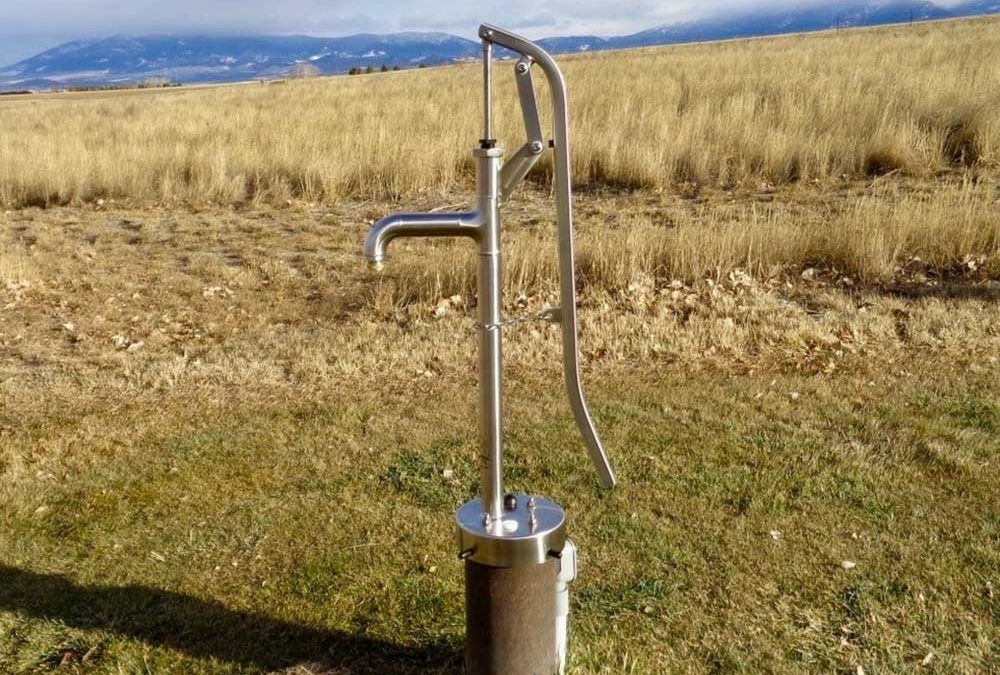
We get a lot of calls every year from homeowners asking how they can access water when the power goes out. For most people, it’s a curiosity or part of a long-term plan to eventually become more self-sufficient and live off-grid. For others, there’s a sense of urgency because they’ve been listening to social media and news reports about the possibility of civilization falling apart around the corner.
At ACE Water Well Service, we try our best to maintain a high standard of business ethics. One of our core principles is that we don’t sell customers products they don’t need. So, when we get these calls, we often spend quite a bit of time consulting with customers, helping them understand their needs and evaluate the benefits of the different solutions available for getting water out of the ground when the power is down.
We’ve put together this article to better document that advice and provide a public resource to help homeowners understand their options, weigh the benefits and drawbacks, and choose the solution that best fits their needs.
First, Why Is This a Concern for Homes on a Water Well?
When you’re on a water well, you’re pumping water out of the ground to build pressure in your system and supply water to your home’s plumbing. Most residential wells use a submersible pump that hangs down the well on a pipe and pushes water into the home’s pressure system.
Most of these pumps operate on a 230-volt electrical connection supplied by the home’s main electrical panel.
When the power goes out, your water system doesn’t immediately stop supplying water. There is usually still some pressurized water stored in the system. Depending on the pressure tank’s drawdown capacity and the amount of water being used, you may have a few gallons available before the pressure finally drops to zero and no more water comes out of the tap.
It’s important to understand that a pressure tank’s physical size isn’t the same as its usable water capacity. What matters is its drawdown capacity, which is the amount of water the tank can deliver between the pump’s cut-in and cut-out pressure settings.
This is different from municipal water systems, which often use elevated water towers to maintain water pressure. Even when the electricity goes out, those towers can continue supplying water through gravity while the utility works to restore pumping and other infrastructure. Municipal systems can also be affected by prolonged outages, but their elevated storage often provides an additional buffer.
For a household on a domestic water well, however, the situation can be quite different. You might only have enough stored water for a couple of toilet flushes or a few minutes of running water before the system runs dry.
And if this has ever happened to you as a homeowner on a well, it might keep you up at night thinking about what you would do if the power stayed off for weeks.
So let’s talk through the options and some preparedness steps everyone should consider.
Steps Everyone Should Take, Right Now!
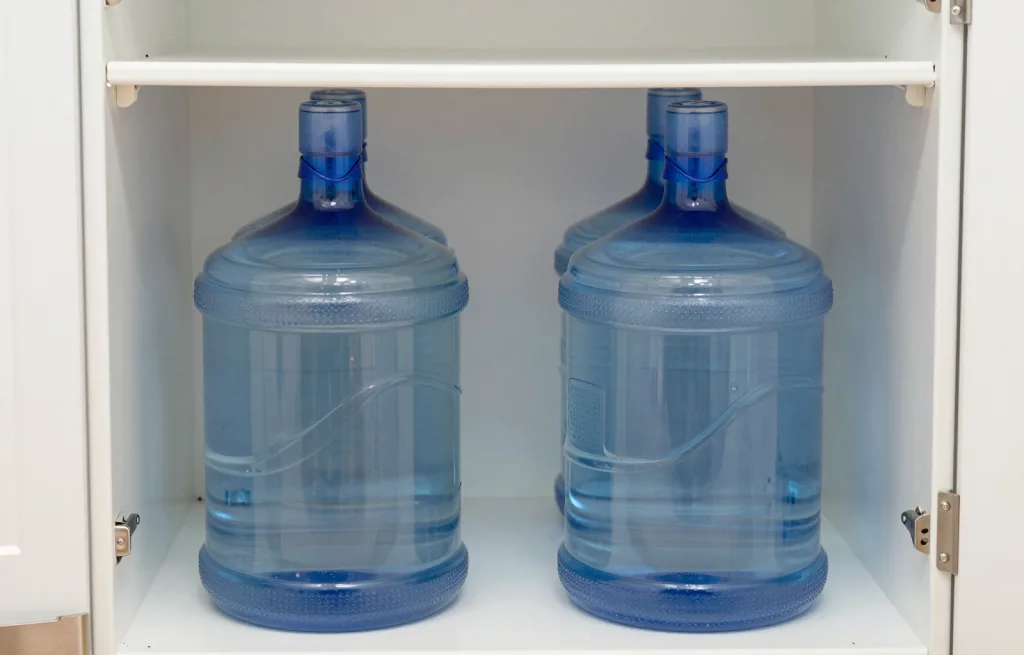
Whether you live on a water well or use a municipal water supply, you should keep an emergency supply of contained water on hand. This is preparedness 101.
It’s even a good idea to keep a gallon of water in your vehicle at all times.
Water is one of the most important resources you can have during an emergency. You can drink it, wash a wound, smother a small fire, add coolant to a vehicle in an emergency, or even wash pepper spray out of your eyes after being assaulted by out-of-control government robots.
Whatever problems you face, water will be a handy tool to have available.
At home, I would recommend keeping at least two 5-gallon jugs of water stored in a pantry or another temperature-controlled storage area. In a pinch, this gives you some drinking water and additional water for basic household needs.
Remember that drinking water and utility water are two different things. You don’t necessarily need potable water to flush a toilet, and having a separate supply of water for sanitation can stretch your drinking water supply considerably.
As a general preparedness guideline, plan for at least one gallon of drinking water per person per day, with additional water for sanitation, cooking, and other household needs. Your actual needs will depend on the number of people in your home, the weather, and how long you expect to be without water.
It’s an easy and relatively inexpensive step to take, and you should definitely do it right now.
Don’t even read the rest of this article if you haven’t completed this step!
Having a basic emergency water supply will help you get through many of the most common power outages, which are often resolved within a day or two.
Now let’s get into the nitty-gritty of more long-term sustainability options.
Portable Generator Solution
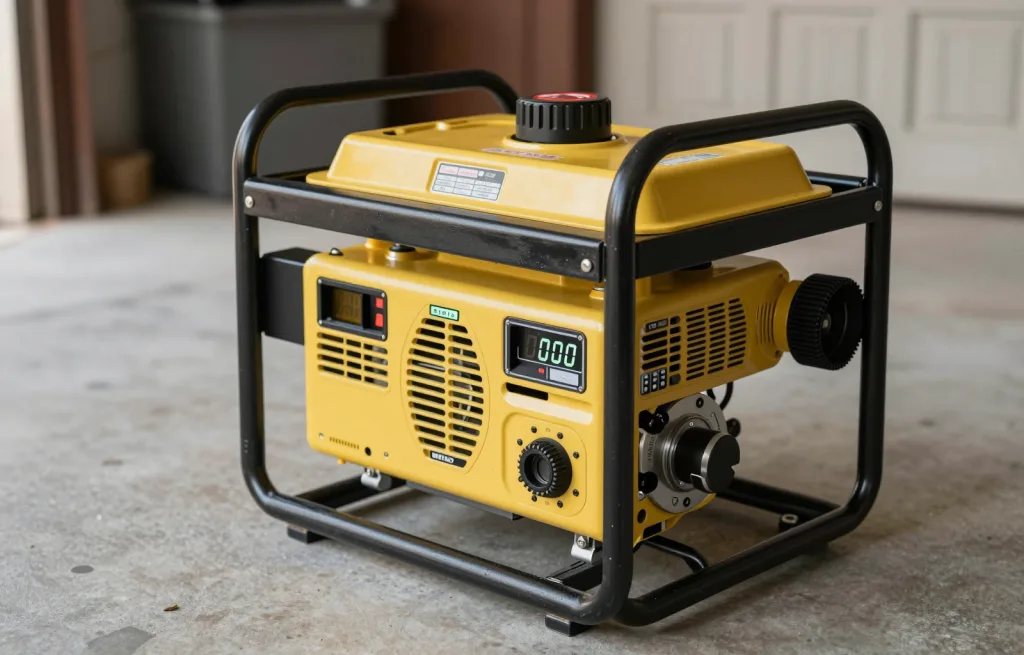
This is arguably the most economical and resourceful solution for pumping water out of the ground during an extended power outage.
These are the portable generators you can load into the back of a vehicle and move around your garage using their built-in handles and wheels.
Depending on the size of your well pump, you will likely need 240 volts of power and sufficient amperage to handle both the normal operating load and the initial starting load. For many residential systems, a generator in the 6,000-watt range may be a reasonable starting point to investigate.
The small, cute ones that work for a tailgate party just won’t do!
Your generator needs to be capable of handling the initial electrical demand when the well pump kicks on. For a ½ HP pump, a properly sized 6,000-watt generator may be sufficient, but generator sizing should always be based on the actual electrical specifications of your pump and its starting requirements. As you go up in pump size, you may need considerably more generator capacity.
We’re focusing on powering the well pump alone, but some homeowners choose to connect a portable generator to their home’s electrical system to power other appliances as well. This can be done safely with the appropriate transfer equipment and electrical installation.
You should consult with a qualified electrician to make sure the system is installed correctly. An improperly connected generator can send electricity back through the utility lines, potentially injuring or killing a technician working to restore your power.
This is one reason we often recommend simply powering the necessary equipment directly from a properly configured generator when practical. It can also be a more efficient use of your available generator capacity and fuel.
Why we like this solution:
For most homeowners, a properly sized portable generator covers the vast majority of realistic power outage scenarios. Because these generators are portable, they also become a resource that allows you to help others during an emergency.
You can load one into a truck and take it around the neighborhood to help your neighbors get their water systems running, too.
Price: These generators can sometimes be found for less than $1,000, depending on their size, features, and brand. However, they aren’t always easy to find during a local emergency because they tend to fly off the shelves during ice storms and tornado season. That can also affect availability and pricing.
Maintenance: These generators need to be operated and maintained periodically to ensure they’re ready when you need them. This includes general engine maintenance, such as oil changes, air filter changes, and other service based on operating hours and time.
Follow the manufacturer’s maintenance recommendations for exercise frequency and operating procedures. It’s also important to periodically test the generator under an appropriate load rather than simply assuming it will work because it starts.
You also can’t store gasoline indefinitely on your property and expect it to work. Gasoline has a limited shelf life, and even fuel treated with stabilizers needs to be rotated according to the manufacturer’s recommendations and storage conditions.
Unleaded gasoline can begin to degrade relatively quickly, particularly when stored in a partially filled container exposed to temperature changes. Old fuel can cause problems for small engines and leave you with a generator that won’t run when you need it most.
Keep this in mind as you plan your emergency response strategy.
Longevity: During a disaster, a portable generator would allow you to make trips to a gas station to replenish your fuel supply and could effectively allow you to maintain access to water for an extended period with rationed electrical and water usage.
Most people wouldn’t want to operate this way for more than a few weeks, and this solution depends on gas stations continuing to have fuel available.
A portable generator is an excellent tool, but it isn’t a completely independent power source.
An Automatic Home Power Backup
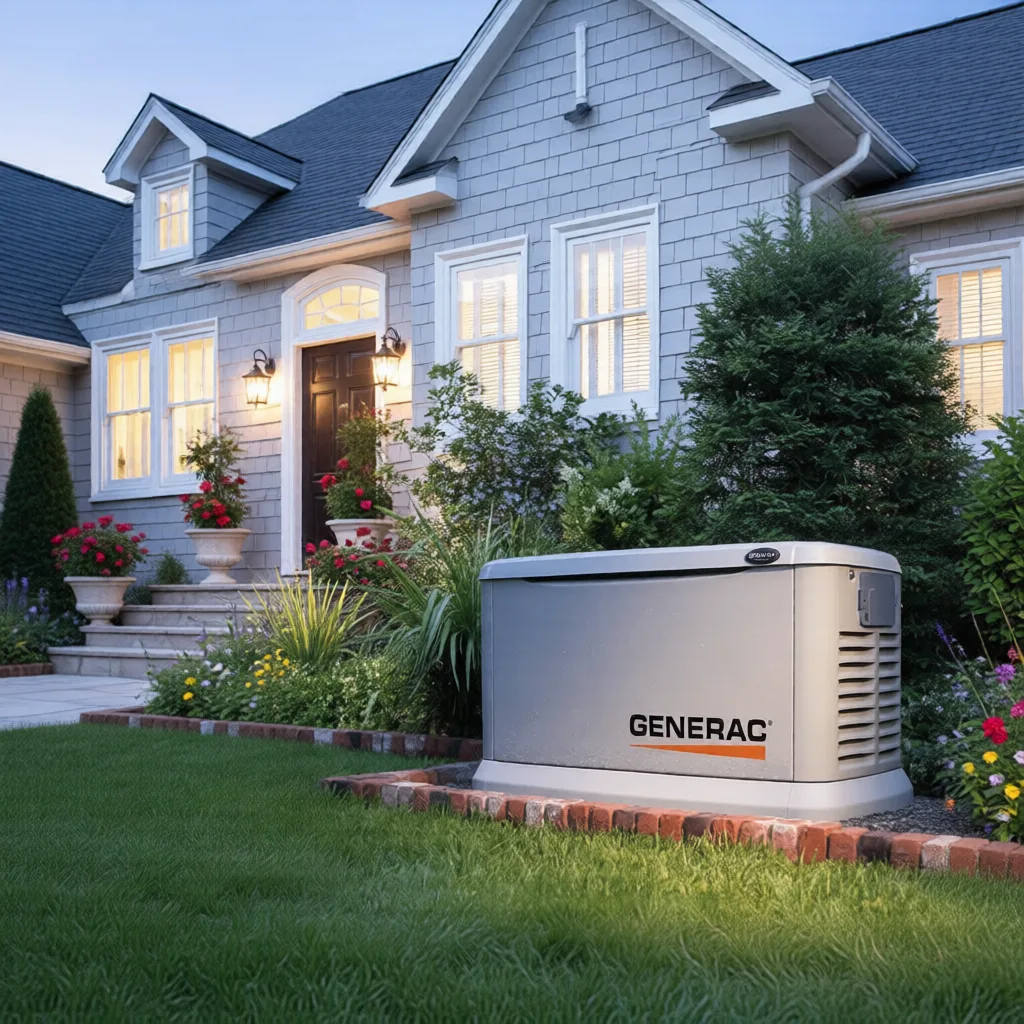
You may be familiar with the brand Generac when it comes to home backup power.
These systems are essentially permanently installed generators paired with automatic transfer switches that recognize when the utility power supply has failed and automatically start a generator powered by natural gas or propane.
These systems can operate nearly seamlessly. Some homeowners choose a smaller system designed to power only essential circuits rather than the entire home.
These generators often perform automatic exercise cycles, usually once a week, to help ensure they’re ready to operate when needed. Because they run on propane or natural gas, you also avoid many of the fuel storage concerns associated with gasoline generators.
Propane has an extremely long storage life and does not deteriorate like gasoline. With a dedicated propane tank and routine automatic testing, fuel consumption during normal standby operation is relatively small. Actual annual consumption will depend on the generator model and exercise schedule.
Price: Typically $12,000–$18,000 installed, with an additional $2,000–$3,000 or more for a propane tank if one is needed. Actual costs will depend on generator size, installation requirements, fuel supply, and electrical work.
Maintenance: These systems, like any other piece of machinery, need routine service. They have batteries and require oil and filter changes based on operating hours and time.
Some systems come with monitoring and reporting features that notify you when service is required or when a routine test produces a result that needs attention.
It would be smart to budget for an annual maintenance service to ensure the equipment remains ready to operate.
Longevity: These systems are excellent for keeping you comfortable during small and brief power outages. They can also provide substantial support during longer outages, provided the fuel supply remains available.
Fuel sources all have their limitations.
If you’re using natural gas from a utility supply line, you have the convenience of not having to monitor or refill a storage tank. However, those supply lines can be interrupted by infrastructure damage, emergency utility shutoffs, or other problems affecting the natural gas distribution system.
Extreme cold weather can also create challenges for natural gas infrastructure and supply, potentially leaving consumers without gas for a period of time.
With propane, you have a stored fuel supply that gives you some independence from the natural gas distribution network.
A typical residential propane tank might have a capacity of around 250 gallons. However, propane tanks aren’t filled to 100% capacity, so the usable fuel supply is less than the tank’s rated volume.
Depending on the size of the generator, the number of appliances running, and how much you conserve fuel, you could potentially operate for several days or longer before needing a refill.
It’s also important to understand that generator manufacturers have additional maintenance recommendations for extended periods of operation. This generally means any time the generator is running for much of the day rather than simply performing its normal weekly exercise cycle.
Any emergency plan that involves operating a generator for weeks on end should include provisions for additional maintenance, replacement filters, oil, parts, tools, and the knowledge necessary to service the equipment.
An automatic generator is an excellent investment for convenience and comfort, but it’s important to understand its fuel limitations if you’re planning for an extended emergency.
Solar Pumps
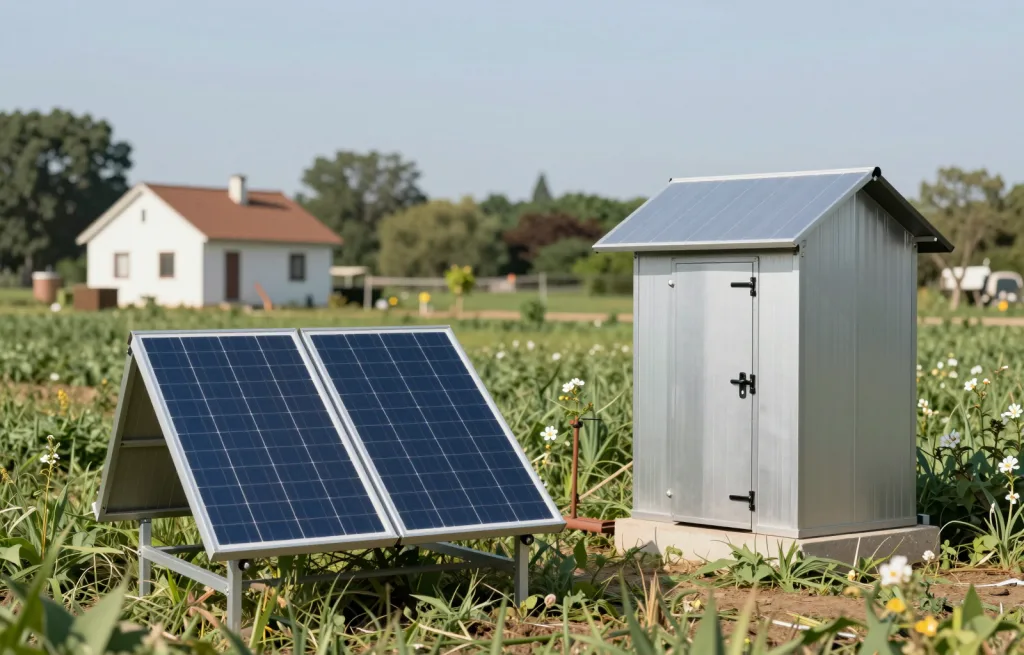
Solar technology has come a long way, and for many people, it’s an ideal solution for designing off-grid systems.
A fully electric DC pump powered by solar panels means fewer moving parts in the power generation system and the potential for a reliable long-term water supply without depending on the electrical grid.
The downside is that these systems don’t necessarily provide the type of instant pressure and quantity of water that most homeowners are accustomed to.
In order to have a system that is both sustainable and capable of providing the same water pressure and convenience you’re used to when connected to the electrical grid, a larger and more involved system may need to be designed.
For this reason, a solar pump can be both affordable and very expensive, depending on how you intend to use it.
The ideal application for many solar pumps is an open-flow system that fills a storage container, such as a pond or tank, for irrigation or a series of low-pressure storage tanks for potable water.
You can then use a conventional 115-volt booster pump to supply the property with the desired water pressure.
This arrangement separates the job of collecting and storing water from the job of pressurizing the home’s plumbing system.
Some solar pump systems can also be configured to run from an AC/DC power converter when utility power is available, giving you another option for operating the pump when sunlight isn’t available.
However, when running exclusively on solar power, you should be prepared for reduced water production during cloudy weather and no production at night unless you have some form of energy storage or stored water capacity.
If you’re comfortable making some sacrifices to live in a more off-grid manner, these systems can be a perfect solution.
But if you want your household to function more like a modern home water system, you’ll likely need additional space and investment in a properly designed storage and pressure system beyond just the solar panels and pump.
Price: Approximately $3,000–$8,000 for the pump and solar panel components, depending on the system. However, if you want to design a complete system that provides good water pressure and quantity comparable to your existing home water system, we’ll need to evaluate your property and consult on the ideal solution.
Maintenance: These systems are relatively low-maintenance. They can replace the conventional submersible well pump you would typically have on an existing well, but the pump itself is still a mechanical component with a lifespan influenced by usage, water quality, and environmental conditions.
The solar panels will also require occasional cleaning and inspection. Otherwise, a properly designed system can operate for many years with relatively little maintenance.
Longevity: Solar pumps and their components have varying life expectancies depending on quality, operating conditions, and usage. The pump will eventually need replacement, while solar panels can last for decades when properly installed and maintained.
Panels are still susceptible to storm damage, corrosion, and other environmental conditions that can affect their functionality.
In a long-term survival or extended off-grid situation, these systems could be a tremendous resource for sustaining life and providing irrigation for gardens and livestock.
The biggest advantage is that you’re creating a water supply that doesn’t depend on the electrical grid or a steady supply of gasoline or propane.
Hand Pumps
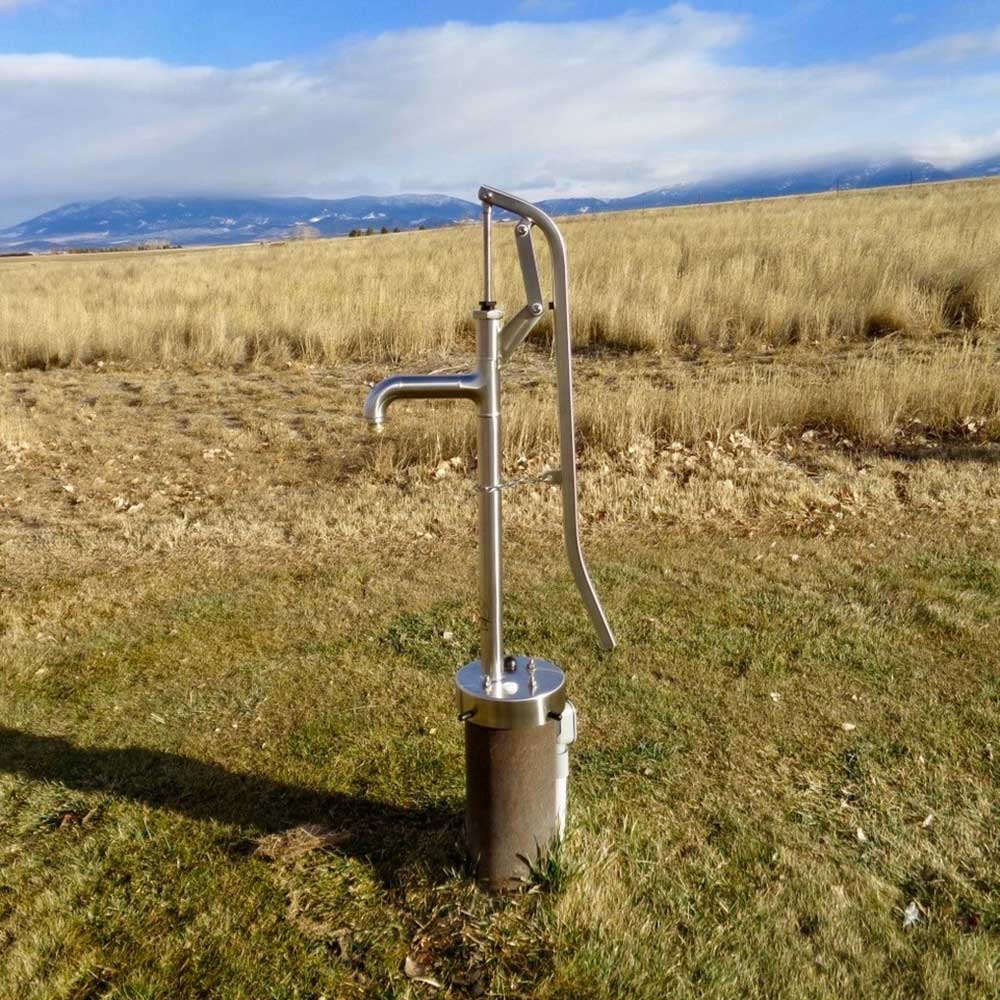
There is something nostalgic and comforting about knowing you can always walk outside and pump up good, clean water with a few strokes of a lever.
And in all honesty, if you can afford it, these are a lovely solution for providing access to some water when the power is out.
You can even connect certain hand pump systems to your existing water system and pressure tank, allowing you to pressurize the system manually.
As simple as that sounds, manually pressurizing a residential pressure tank can require a tremendous amount of work. Even a relatively small pressure tank can require many strokes of the lever to build usable pressure, depending on its drawdown capacity and pressure settings.
In a situation where the power is out, you would likely find yourself simply filling 5-gallon buckets with enough water to flush toilets and filling containers for drinking water until the power comes back on.
For an extended period under these conditions, the biggest lifestyle sacrifices would likely be bathing and hot water.
This solution takes your water supply back to something resembling life in the 1800s. Which, in a bad enough disaster, might actually be a welcome solution!
Not all wells are automatically a good fit for hand pumps. Measurements and an evaluation of the existing well system are necessary before determining whether a hand pump can be installed.
The static water level, total well depth, distance between the existing submersible pump and the proposed hand pump, and the type of hand pump being installed all matter.
Deeper wells can require specialized equipment and additional mechanical considerations. As the pumping depth increases, the physical effort required to operate the pump can also increase, potentially making it difficult for an average person to operate.
For this reason, some deeper-well installations require specialized pump designs that reduce the amount of effort needed at the handle.
Price: Approximately $4,000–$6,000, depending on the well, pump design, materials, and installation requirements.
Maintenance: The water in the hand pump’s drop pipe can become stagnant if the pump isn’t used periodically. Follow the manufacturer’s recommendations for exercising the pump and flushing the water in the drop pipe.
The valves inside the pump will eventually need replacing, along with mechanical components that experience the majority of the stress during operation.
This is why we recommend keeping replacement parts at home, along with instructions for how to replace and install them.
A hand pump is a mechanical system, and having the knowledge and parts necessary to maintain it is just as important as having the pump itself.
Longevity: A quality hand pump should provide many years of service before requiring replacement of valves and other mechanical components. With proper maintenance, these systems can become a resource that you pass down for generations.
One additional consideration is the possibility of the static water level changing over time.
Water levels can drop during extended droughts or as a result of increased groundwater withdrawals from nearby wells, including larger municipal wells drawing from the same aquifer.
If you’re planning for every contingency, it may be worth discussing whether additional drop pipe and pumping rod sections should be kept in storage. Depending on the system, having extra 8–10-foot sections available could allow you to lower the pump intake in the future if the water level drops.
This is something that should be evaluated based on the particular hand pump and well installation.
A Reality Check: What Are the Most Likely Survival Situations?
Let’s take a step back from the equipment and talk about what we’re actually preparing for.
In Oklahoma, our major causes of power outages generally include:
1. Severe Thunderstorms & High Winds. Spring and summer storm systems bring straight-line winds, lightning, and tornadoes that can snap utility poles, knock down trees onto power lines, and damage substations.
2. Winter Ice & Freezing Rain. Oklahoma is prone to heavy winter ice accumulation that weighs down power lines and tree limbs until they snap, often causing some of the state’s longest-lasting outages.
3. Wildlife & Vegetation. Squirrels, birds, and snakes frequently come into contact with transformers and substation equipment, causing localized short circuits. Overgrown trees rubbing against overhead lines can also create problems.
4. Equipment Failure & Grid Strain. Extreme summer heat drives massive air-conditioning demand across the Southwest Power Pool, putting additional stress on electrical infrastructure and equipment.
5. Vehicle Accidents & Construction. Cars sliding into utility poles during bad weather and excavation crews accidentally cutting underground cables can cause sudden, localized blackouts.
In our experience, most power outages are relatively short-lived, often lasting only a few hours. In particularly severe weather events, especially when rural infrastructure is damaged, restoration can sometimes take days or even weeks.
Here in Oklahoma, we have utility crews and emergency responders who are prepared to mobilize when disaster strikes. They work long hours and often face dangerous conditions to get electricity restored as quickly as possible.
And that brings me to a point I think is important.
We do live in some interesting times. Between political division, economic uncertainty, technological changes, and an endless stream of alarming headlines, there is certainly no shortage of things to worry about.
But for those of us working in the service industries that keep society running, we’re not going to stop showing up just because things get difficult. For most of us, “difficult” is a daily task, and we do the seemingly impossible at least once a week.
The power will come back on. Society will band together and fix things. That’s what we do.
Don’t Let Fear Become Your Emergency Plan
So try to ignore the social media buzz and the content designed to play on your fears and worries.
In life, we all accept some level of risk. Otherwise, we’d never get in a car and drive down the highway. Which is a great analogy to understand risk and how awesome community can be.
Every day, millions of people get on the road and collectively work together, all of us sharing the weight of responsibility, to make sure everyone gets from point A to point B safely. Are there occasional accidents? Of course. But the overwhelming majority of the time, things work exactly as they should. And when they don’t, there are people ready to help.
When planning for a disaster, it’s important to remember that the community around you is just as much of a resource as your water supply and power grid.
Here in Oklahoma, when problems arise, people rise to the challenge and help each other.
So the next time you find yourself doom-scrolling through survivalist content on social media and worrying about what might happen, remember this: No amount of worrying will add another day to your life.
We built this infrastructure, this community, and this modern society together. And we’re not going to let it fall apart just because things get difficult.
Not Sure Which Solution Is Right for Your Well?
Every property is different. The right solution depends on the depth of your well, the size of your pump, your water usage, your existing electrical setup, and how much independence you want during an extended power outage.
Some homeowners may only need a portable generator. Others may benefit from an automatic backup generator, a solar water system, or a hand pump. And some may find that a combination of these solutions provides the best protection.
If you’re considering any of these options and aren’t sure where to start, give us a call at ACE Water Well Service. We’d be happy to help you evaluate your existing system and determine what makes the most sense for your property.
Our goal isn’t to sell you something you don’t need. It’s to help you make an informed decision and have a plan you’re comfortable with.
Quick Comparison: Which Backup Water Solution Is Best?
Here’s a quick breakdown of the four options we’ve discussed.
| Solution | Biggest advantage | Biggest drawback |
| Portable generator | Affordable, versatile, and portable | Fuel storage and manual operation |
| Automatic backup generator | Convenience and automatic operation | Higher upfront cost and fuel dependency |
| Solar pump | Independence from the electrical grid | Requires water storage and potentially additional equipment |
| Hand pump | Doesn’t require electricity or fuel | Physical labor and limited water output |
My recommendation: For most homeowners, a properly sized portable generator is going to offer the best balance of affordability, practicality, and preparedness. If you want automatic convenience, an installed standby generator is a great upgrade. If you’re planning for genuine long-term independence, solar and hand pump systems deserve serious consideration.